





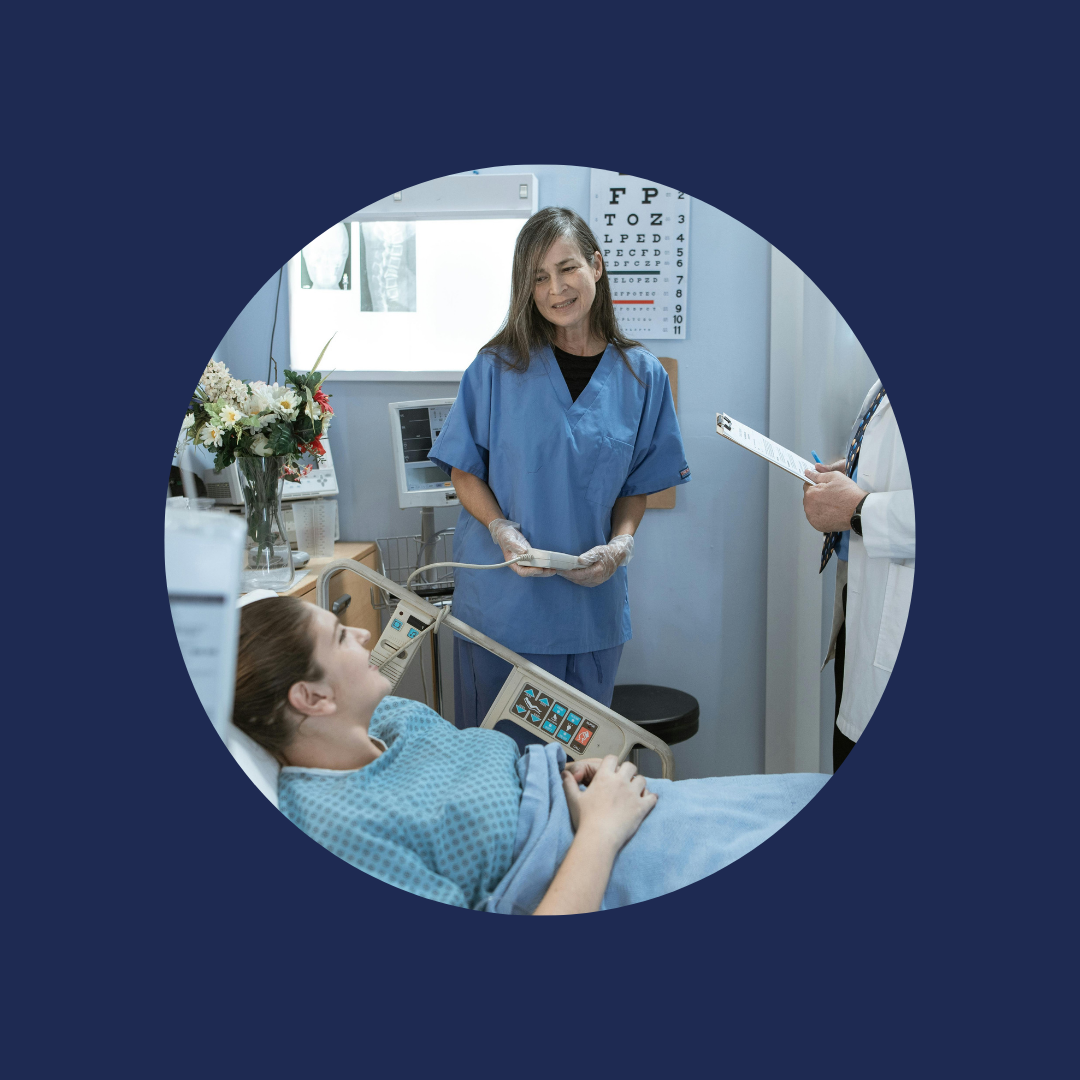

Caring for a bedridden loved one is one of the purest acts of love—but it can also be overwhelming. Families often struggle with constant fears: What if bedsores appear? Am I cleaning them correctly? How do I prevent infections? What if they feel lonely or emotionally drained? These worries are natural, and you are not alone. The truth is, with the right knowledge and support, Bedridden Patient Care becomes safer, smoother, and far more comforting for both the patient and the caregiver.
This guide is here to help you do exactly that. You’ll learn a simple daily care routine, essential safety measures, proven ways to prevent complications, and powerful emotional support practices that truly make a difference. Most importantly, you’ll gain expert-backed insights designed to give you confidence—no medical background needed.
Understanding Bedridden Patient Care
Who Is Considered Bedridden? (Simple Explanation)
A person is considered bedridden when they are unable to move, stand, or perform daily activities without full assistance. This may be temporary—such as after surgery—or long-term due to serious medical conditions. In Bedridden Patient Care, the patient spends most or all of their day lying in bed, relying on a caregiver for hygiene, feeding, medication, turning, and emotional comfort.
Being bedridden doesn’t just limit physical movement; it affects every part of life, from independence to emotional well-being. Understanding this helps families provide safer, more compassionate patient care at home.
Common Reasons Patients Become Bedridden
- Stroke: Stroke survivors often experience paralysis or extreme weakness on one side of the body, making mobility challenging and requiring long-term assistance.
- Paralysis: Spinal cord injuries, neurological disorders, or accidents can leave patients unable to move voluntarily, increasing their dependency on caregivers.
- Severe Injuries: Hip fractures, accidents, and trauma can force patients to remain in bed for weeks or months during recovery.
- Dementia & Alzheimer’s: As these conditions progress, patients lose the ability to walk safely, maintain balance, or follow instructions—making them increasingly bedridden.
- Post-Surgery Immobility: Major surgeries—especially orthopedic or abdominal—can temporarily restrict movement, requiring structured home patient care.
- Chronic Illnesses: Conditions like advanced arthritis, heart failure, cancer, and neurological diseases gradually weaken the body, often leading to prolonged bed rest.
Physical, Emotional & Medical Challenges Families Face
Caring for a bedridden loved one is deeply emotional. Families often feel fear, exhaustion, and self-doubt—especially when constantly worrying about bedsores, infections, hygiene challenges, or sudden medical symptoms. Physically, bedridden patients face muscle stiffness, skin breakdown, poor appetite, breathing difficulties, and high risk of infections. Emotionally, they may feel lonely, frustrated, or dependent, which can lead to anxiety or depression.
For caregivers, the stress is equally heavy: lifting, turning, cleaning, managing medications, and ensuring safety around the clock. This is why understanding Bedridden Patient Care is so important—it helps families avoid complications, protect dignity, and build a safer, more supportive environment for their loved one.
Why Proper Bedridden Care Matters

Providing the right Bedridden Patient Care is not just about daily tasks—it’s about protecting the patient’s health, dignity, and emotional well-being. When someone becomes bedridden, their body becomes extremely vulnerable, and even small mistakes can lead to serious complications. Proper care ensures stability, comfort, and safety, while giving families the confidence that they are doing the best for their loved one.
Preventing Serious Complications
- Bedsores: Bedsores develop when the skin is under constant pressure. Without proper turning, air circulation, and skin care, these wounds can become deep, painful, and life-threatening. Preventive care is the foundation of safe bedridden patient care.
- Pneumonia: Bedridden patients often breathe shallowly due to limited movement, increasing the risk of lung infections. Proper positioning, chest physiotherapy, and regular movement reduce this risk significantly.
- Muscle Contractures: When the body remains still for long periods, joints stiffen and muscles shorten. Gentle physiotherapy and daily repositioning help maintain mobility and prevent long-term disability.
- UTIs (Urinary Tract Infections): Reduced mobility, catheter use, and diaper wear increase the risk of UTIs. Good hygiene, regular diaper changes, and adequate hydration help keep infections away.
- Malnutrition: Bedridden patients may lose appetite, face swallowing issues, or struggle with digestion. A balanced, nutrient-rich diet prevents weakness and speeds up recovery.
- Blood Clots: Extended bed rest slows blood circulation, increasing the risk of clots in the legs (DVT). Simple leg exercises, repositioning, and adequate hydration play a crucial role in prevention.
Improving Comfort, Dignity, and Recovery
Being bedridden can make a person feel helpless. Proper patient care—soft bedding, correct posture, regular cleaning, and respectful handling—helps restore dignity and improves emotional well-being. Comfort isn’t just physical; it directly impacts healing, appetite, mood, and overall recovery. Even small efforts, like fixing pillows or adjusting room lighting, contribute to a more humane and uplifting care environment.
Reducing Emotional Stress for Families
Families caring for bedridden loved ones often feel overwhelmed, guilty, or scared of “doing something wrong.” Structured care routines bring clarity and reduce anxiety. Knowing exactly how to prevent complications, how to keep the patient safe, and when to seek help makes caregiving emotionally manageable. Proper Bedridden Patient Care doesn’t just support the patient—it protects the mental health of the caregiver too.
Daily Bedridden Patient Care Routine (Morning to Night)

A structured routine is the backbone of safe and effective Bedridden Patient Care. Having a predictable schedule not only keeps the patient comfortable and protected from complications, but also reduces stress for families and caregivers. Below is a simple, easy-to-follow routine that covers the entire day—from waking up to night-time safety.
Morning Care Routine
Mornings set the tone for the entire day. Start slowly and gently.
- Waking the Patient: Approach calmly. Call their name softly, open curtains for natural light, and help them sit slightly upright if possible.
- Cleaning & Hygiene: Give a warm sponge bath, clean the face, underarms, back, and private areas. Replace diapers if needed. This prevents infections and keeps the patient fresh and comfortable.
- Toilet Assistance: Assist with a bedpan, urinal, or commode chair. Maintaining dignity and privacy matters deeply in bedridden patient care.
- Skin Check: Inspect elbows, heels, hips, and lower back for redness, hardness, or discoloration—early signs of bedsores. Catching them early prevents serious complications.
Midday Care Routine
- Feeding: Offer small, nutritious meals at regular intervals. Ensure the patient is in a 45–60° upright position to avoid choking and aspiration pneumonia.
- Medication: Give medicines on time. Use a chart or reminder system to avoid missed doses.
- Physio Movements: Perform gentle range-of-motion exercises, hand/leg stretches, and repositioning. Movement boosts circulation, prevents stiffness, and reduces the risk of blood clots.
This midday routine keeps energy levels stable and supports both physical and emotional well-being.
Evening & Night-Time Care Routine
- Comfort Checks: Adjust pillows, blankets, and room temperature. Make sure the patient is not too hot or too cold.
- Skin Moisturizing: Apply a gentle moisturizer—especially to dry or pressure-prone areas. This keeps the skin healthy and reduces the risk of cracking.
- Final Repositioning: Turn the patient onto their side or adjust their body to relieve pressure. Ensure the turning schedule (every 2–3 hours) continues through the night.
- Night Safety Precautions: Keep the call bell or phone within reach. Ensure the bed rails are secure, lighting is gentle, and there are no objects the patient might roll onto.
Night-time comfort allows the patient to rest deeply, supporting healing and emotional balance.
Caregiver’s Checklist (Easy-to-Follow)
- Change position every 2–3 hours
- Check skin for redness or wounds
- Maintain hygiene: sponge bath, oral care, diaper change
- Serve meals slowly and in upright position
- Give medications on time
- Ensure clean, wrinkle-free bedsheets
- Keep the room well-ventilated
- Perform gentle physiotherapy daily
- Provide emotional interaction—talk, reassure, encourage
- Maintain proper hydration
- Monitor temperature, pulse, and breathing if required
- Keep essential items (water, tissues, call bell) within reach
This routine builds structure, reduces stress, and ensures that patient care is delivered with consistency, compassion, and safety.
Positioning & Mobility: The Core of Bedridden Care
Why Repositioning Every 2 Hours Is Essential
When it comes to Bedridden Patient Care, repositioning is one of the most powerful yet overlooked forms of healing. A patient who lies in the same position for too long experiences constant pressure on the skin, reduced blood flow, and stiffening of muscles. This is why nurses and caregivers reposition every 2 hours—it prevents bedsores, protects fragile skin, reduces pain, improves circulation, and helps the patient breathe more comfortably. Most importantly, it preserves dignity. For families caring for a bedridden loved one, this simple routine can make a life-changing difference.
Step-by-Step Positioning Techniques
- Back-Lying (Supine Position): This is the most common resting posture for bedridden patients. Place a thin pillow under the head, a rolled towel under the knees to reduce back strain, and ensure the heels are floated using a soft cushion. This position eases breathing and keeps the spine aligned—an essential part of safe patient care.
- Side-Lying (Left or Right Lateral): Turn the patient gently to one side while supporting the shoulder and hip. Place a pillow behind the back for balance and another between the knees to prevent hip pressure. This position reduces pressure on the back and is very helpful for preventing bedsores on the spine, tailbone, and heels.
- Semi-Fowler’s Position (For Feeding & Breathing Ease): Raise the head of the bed to 30–45 degrees. Support the lower back with a small pillow and keep the knees slightly bent. This position is ideal during feeding to prevent aspiration and helps patients with respiratory issues breathe more comfortably.
Passive & Active Range-of-Motion Exercises
Mobility is medicine—even for someone who cannot get out of bed. Passive ROM exercises involve the caregiver gently moving the patient’s arms, legs, wrists, and ankles. Active ROM means the patient participates as much as they can. These exercises prevent stiffness, improve circulation, maintain joint flexibility, and keep the muscles alive. For long-term bedridden patients, ROM is as important as medication.
Preventing Muscle Weakness & Contractures
Without regular movement, muscles shrink and joints become stiff—a painful condition called contracture. This is why consistent positioning, gentle stretching, daily ROM exercises, and correct limb support are essential parts of high-quality Bedridden Patient Care. Preventing contractures not only protects mobility but also prevents long-term complications that can drastically affect quality of life.
Hygiene & Grooming Care for Bedridden Patients
1. Sponge Bathing Techniques
For families providing Bedridden Patient Care, one of the most meaningful acts of love is keeping a patient clean and comfortable. Sponge bathing is more than just wiping the body—it’s restoring dignity, preventing infections, and helping the patient feel fresh. Use warm water, mild soap, and gentle circular strokes. Start from the cleaner areas (face, arms, chest) and move toward areas that need more attention. Keep the patient covered with a towel, exposing only the part you’re cleaning to maintain warmth and privacy. A slow, respectful approach helps the patient feel safe and cared for.
2. Oral, Nail, and Hair Hygiene
A bedridden patient may not be able to express discomfort, but poor oral hygiene, long nails, or tangled hair can cause pain, infections, and embarrassment. Brush the teeth twice daily—or use soft sponge swabs if brushing is difficult. Trim nails regularly to avoid accidental scratches and maintain scalp hygiene by washing or dry shampooing the hair. These small grooming steps enhance comfort, confidence, and overall health, making daily patient care more holistic and compassionate.
3. Perineal Care (For Urine & Stool)
Perineal care is one of the most sensitive but essential parts of caring for a bedridden patient. Proper cleaning prevents skin breakdown, foul odor, urinary tract infections, and severe bedsores. Always wipe from front to back, use warm water with mild cleansers, and gently pat the area dry. Apply barrier creams to protect fragile skin from moisture. When done tenderly, this intimate care strengthens trust and reduces discomfort for the patient.
4. Safe Diaper Changing Guide
Changing diapers is a crucial hygiene step in Bedridden Patient Care. Roll the patient gently to one side, remove the soiled diaper, clean the skin thoroughly, and place a fresh diaper while ensuring the area is dry. Always check for redness, rashes, or early signs of sores. A clean and dry diaper not only maintains comfort but also prevents infections that can quickly become serious in bedridden individuals.
Nutrition & Hydration Guide for Bedridden Patients
When it comes to Bedridden Patient Care, nutrition and hydration are not just daily tasks—they are lifelines. A bedridden body works differently: muscles weaken faster, immunity drops, digestion slows, and even a slight lack of fluids can lead to serious health issues. That’s why providing the right food, in the right way, at the right time, becomes one of the most important responsibilities for families and caregivers.
Many families worry: “What should we feed? How much is enough? What if the patient chokes? Are we giving the right nutrients?” These concerns are completely valid. And the truth is—proper nutrition can dramatically improve energy levels, prevent complications like bedsores, support faster healing, and even uplift mood and emotional well-being.
In this section, you’ll find a clear, compassionate, and medically accurate guide designed to help you confidently manage nutrition and hydration for your bedridden loved one. From high-protein diet essentials to safe feeding posture, from tube-feeding basics to dehydration warning signs—everything is explained simply, so you can provide safe, dignified, and effective patient care every single day.
Preventing Bedsores, Infections & Other Complications
One of the most important responsibilities in Bedridden Patient Care is preventing the complications that can quietly develop when a person stays in one position for too long. Bedsores, infections, and digestive issues don’t start suddenly—they begin with small, easily missed warning signs. And for families already under emotional pressure, these complications can feel frightening and overwhelming.
But here’s the reassuring truth: with the right knowledge and daily habits, most of these problems are fully preventable. Whether it’s recognizing early redness on the skin, ensuring proper lung care to prevent pneumonia, maintaining hygiene to reduce UTIs, or supporting smooth digestion—each step you take directly protects your loved one’s comfort, dignity, and long-term health.
This section gives you clear, step-by-step guidance to help you stay ahead of complications, respond early, and care with complete confidence. With compassionate, informed patient care, your bedridden loved one can remain safe, comfortable, and well-protected—every single day.
Emotional, Mental & Social Well-Being
Proper Bedridden Patient Care is not limited to hygiene, feeding, or turning schedules. A bedridden patient’s emotional world is just as important as their physical health. When someone loses mobility, they also lose a sense of independence—and this can silently affect their confidence, motivation, and overall happiness. Supporting their emotional and social well-being is one of the most powerful ways families can improve recovery, comfort, and quality of life.
How Bedridden Patients Feel Emotionally
Being bedridden can trigger a mix of overwhelming emotions. Many patients feel frustrated that they need help with even the smallest tasks. They may battle feelings of worthlessness, embarrassment, or fear—wondering if they will ever recover or if their condition will worsen. Some feel guilty for depending on family members, while others experience boredom, loneliness, or anxiety due to long hours spent alone in a room.
Understanding these emotions is the first step to offering compassionate and effective patient care. When caregivers are emotionally aware, patients feel seen, valued, and supported.
Simple Ways to Improve Mood & Motivation
Even small gestures can create big emotional changes.
A. Talking: A gentle conversation can brighten their entire day. Ask how they feel, listen without rushing, and reassure them that they are not a burden.
B. Music Therapy: Soft music, devotional songs, or their favorite old melodies can reduce stress, improve mood, and stimulate memory—an excellent tool in bedridden patient care.
C. Light Physiotherapy: Simple finger movements, leg raises, or hand exercises keep them active and help release endorphins, which naturally elevate mood.
D. In-Room Activities: Encourage reading, watching light-hearted shows, coloring, puzzles, or even phone calls with loved ones. Mental engagement reduces boredom and keeps their mind active.
These small efforts give patients a sense of purpose and help them feel more connected and alive.
Preventing Loneliness & Depression
Loneliness can silently break a patient’s spirit faster than illness itself. To prevent depression:
- Spend consistent, quality time with the patient
- Encourage family members to visit or call regularly
- Place the bed near a window for sunlight and a view of outside life
- Keep familiar items nearby—photos, books, or favorite blankets
- Involve them in small decisions, like meal choices or music selection
- Celebrate small wins: sitting up on their own, finishing a meal, doing an exercise
These strategies rebuild emotional strength, making the patient feel valued, included, and cared for.
Proper Bedridden Patient Care must protect both the body and the heart. When emotional well-being is supported, healing becomes easier, faster, and more meaningful.
Must-Have Tools & Equipment for Safe Bedridden Care
When it comes to Bedridden Patient Care, even the smallest tool can make a huge difference in comfort, safety, and overall dignity. Having the right equipment at home prevents complications, reduces caregiver stress, and ensures that the patient feels secure and supported every day. Whether you’re caring for an elderly parent, a long-term bedridden patient, or someone recovering from surgery, these essential tools make daily patient care smoother, safer, and far more efficient. Below is a clear, practical breakdown of everything you need to set up a safe and well-equipped caregiving environment.
Essential Care Tools
- Air Mattress: Helps prevent bedsores by distributing body weight evenly and reducing pressure on delicate skin.
- Bedside Rail: Prevents accidental falls and helps the patient reposition safely with minimal effort.
- Bedpan: A must-have for bedridden patients who cannot walk to the toilet, ensuring hygiene and comfort.
- Adult Diapers: Essential for maintaining cleanliness, preventing rashes, and improving overall hygiene.
- Water-Resistant Sheets: Protect the mattress from spills, sweat, and incontinence-related moisture.
- Urinal Bottle: Useful for male patients who cannot get out of bed, ensuring dignity and convenience.
Helpful Medical Devices
- BP Monitor: Regular blood pressure checks help track important health changes and alert caregivers early.
- Pulse Oximeter: Monitors oxygen levels and pulse rate—crucial for patients with respiratory or cardiac issues.
- Glucometer: Needed for patients with diabetes to maintain safe glucose levels and avoid emergencies.
Safety Devices for Caregiver Assistance
- Transfer Board: Makes shifting or transferring the patient (bed to wheelchair, bed to stretcher) much safer and easier.
- Wheelchair: Essential for transporting the patient within the home, providing mobility and independence wherever possible.
When to Hire Professional Bedridden Patient Care Services

Caring for a bedridden loved one is one of the most meaningful acts of love—but it can also become overwhelming, physically demanding, and medically complex. There comes a point when family care, no matter how dedicated, may not be enough to ensure complete safety, comfort, and proper Bedridden Patient Care. Understanding when to seek professional help is crucial not only for the patient’s well-being but also for the emotional and physical health of the family.
Situations Where Family Care Alone Is Not Enough
Certain conditions require specialized skills, continuous monitoring, and clinical judgment. You may need professional support when:
- The patient has limited mobility and requires frequent repositioning, lifting, or transfer assistance.
- There are high-risk medical issues such as chronic illnesses, breathing difficulties, or unhealed wounds.
- The patient shows signs of bedsores, repeated infections, or rapid health deterioration.
- Family caregivers feel exhausted, emotionally overwhelmed, or physically strained.
- Care involves medical procedures that require trained hands.
When these situations arise, professional patient care is not just helpful—it becomes essential.
Benefits of Professional Nursing Support
Professional caregivers bring clinical expertise, structured routines, and years of experience that significantly improve patient outcomes.
- Trained Handling: Safe lifting, turning, mobilizing, and repositioning techniques that prevent injuries to both the patient and caregiver.
- Wound Care: Prevention and treatment of pressure ulcers, dressing changes, and infection control—critical in bedridden patients.
- Tube, Catheter & Tracheostomy Care: Skilled management of feeding tubes, urinary catheters, and tracheostomy care that requires strict hygiene and precision.
- 24×7 Monitoring: Continuous observation to detect early signs of discomfort, infection, breathing issues, or vital changes—ensuring timely intervention.
How Professional Care Improves Safety & Comfort
Professional caregivers provide structured routines, medical accuracy, and a calm environment that directly enhances a patient’s comfort and dignity. They know how to prevent complications, manage emergencies, and create a safe caregiving setup at home. For families, this means peace of mind—knowing their loved one is receiving the best possible Bedridden Patient Care.
“If you want expert nursing support for bedridden care in Chandigarh, Mohali, or Zirakpur, VCare@Home provides trained, compassionate, and reliable caregivers for round-the-clock care.”
Conclusion
Caring for a bedridden loved one can feel overwhelming at times, but with the right knowledge, guidance, and routine, families can manage Bedridden Patient Care with confidence. Every small, consistent effort—whether it’s adjusting their position, maintaining good hygiene, offering nutritious meals, or simply sitting beside them for emotional comfort—creates a powerful impact on their health, dignity, and overall well-being.
Remember the essentials:
- Regular positioning prevents bedsores and improves circulation.
- Good hygiene protects against infections and keeps the patient comfortable.
- Proper nutrition supports healing, immunity, and strength.
- Emotional support reduces loneliness, boosts mood, and brings hope into their day.
Most importantly, remind yourself that you’re not alone on this journey. Safe, expert help is always available when caregiving becomes overwhelming or medically complex.
If you need trained nurses or professional bedridden patient care at home, VCare@Home provides compassionate, expert support across Chandigarh, Mohali & Zirakpur—helping your loved one stay safe, comfortable, and truly cared for.
Frequently Asked Questions (FAQs)
1. How often should you turn a bedridden patient?
To prevent bedsores and improve blood circulation, a bedridden patient should be turned every 2–3 hours. Regular repositioning is one of the most important steps in Bedridden Patient Care, especially for patients who cannot move on their own.
2. What is the best way to prevent bedsores at home?
Keep the skin clean and dry, use an air or ripple mattress, apply moisturizers, and reposition the patient frequently. Checking bony areas daily—like heels, hips, elbows, and lower back—is crucial to prevent early skin damage.
3. What foods are best for bedridden patients?
Nutritious, easy-to-digest meals are ideal. Include high-protein foods (dal, eggs, paneer), fiber-rich foods (fruits, vegetables), and adequate fluids to maintain hydration and healing. Good nutrition supports overall patient care and immunity.
4. How can families keep a bedridden patient emotionally strong?
Talk to them regularly, encourage light activities, play calming music, and keep them socially connected via family visits or video calls. Emotional care is just as important as physical care.
5. When should you call a professional nurse for bedridden care?
If the patient has bedsores, tube or catheter care needs, frequent infections, feeding difficulties, mobility challenges, or requires monitoring, it’s time to seek professional bedridden patient care for safety and comfort.
6. Can a bedridden patient recover mobility?
Yes, depending on the cause. With physiotherapy, assisted movements, good nutrition, and consistent care, many bedridden patients regain partial or even full mobility over time. Early intervention improves outcomes significantly.


