

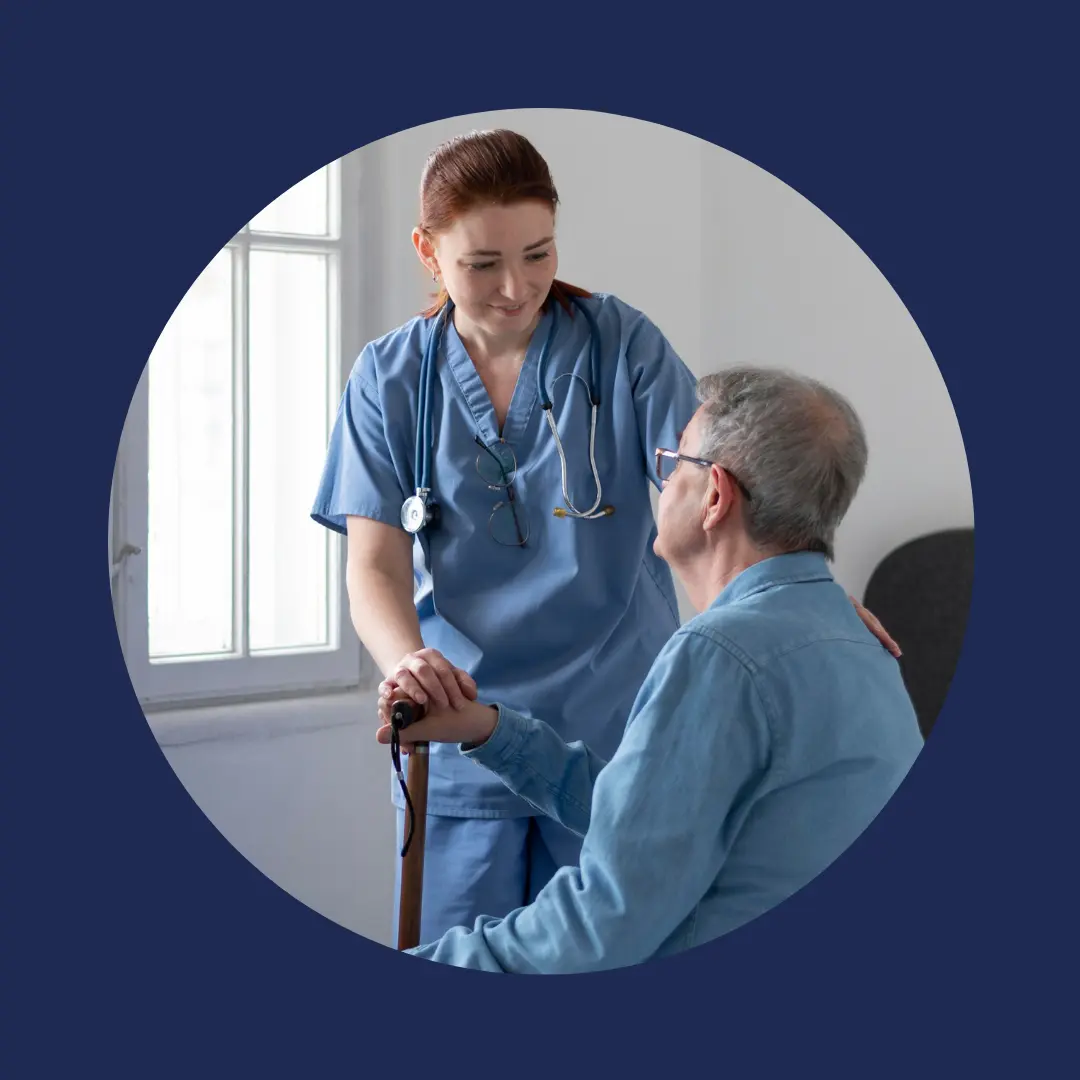



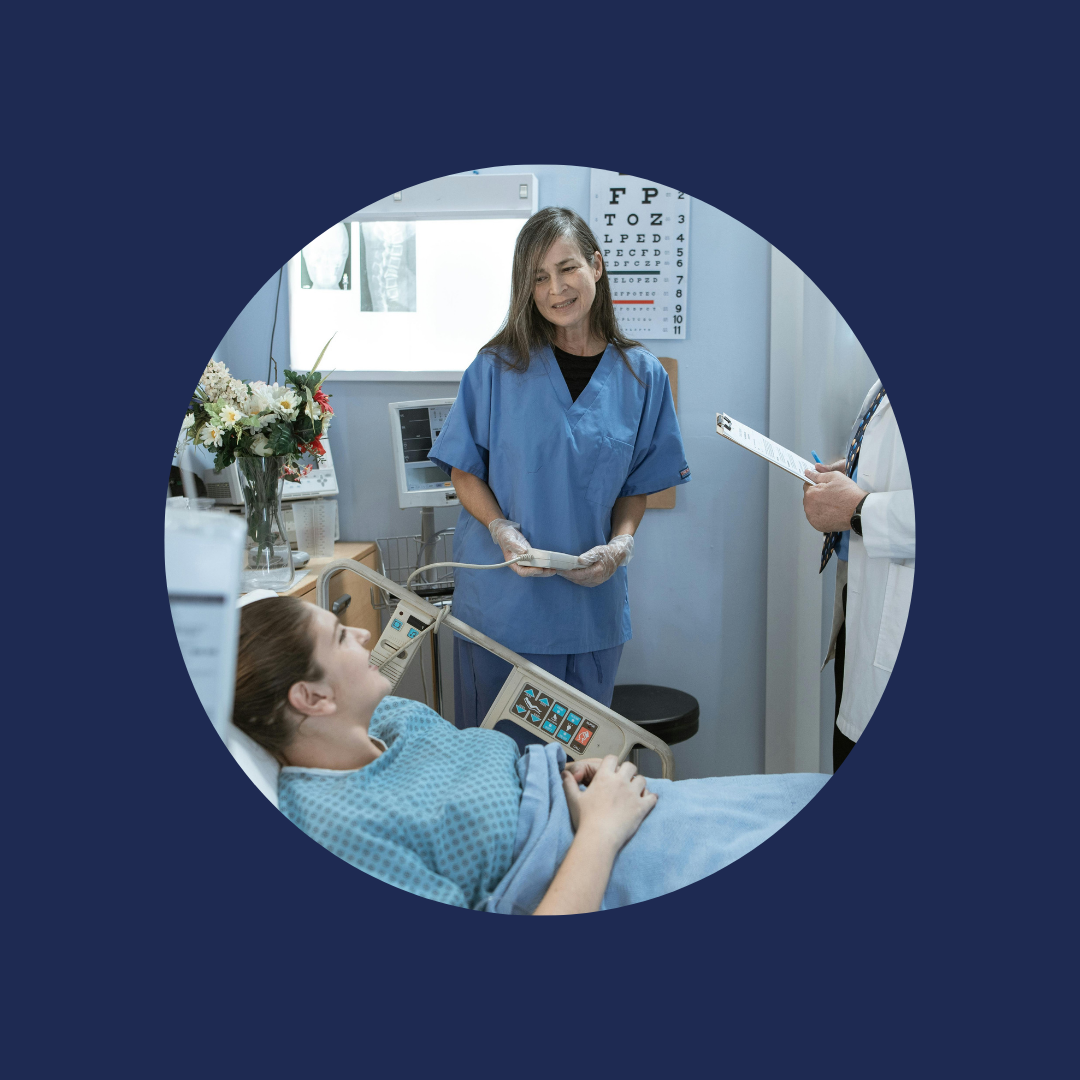

Falls are one of the leading causes of injury among older adults—and yet, what many families don’t realize is that most falls are completely preventable with the right awareness and care. When a senior falls, it’s not just a physical injury; it can shake their confidence, independence, and sense of security. That’s why creating a safe, supportive, and senior-friendly home environment is one of the most meaningful gifts you can offer your loved ones.
In this blog, we’ll dive into practical, research-backed elderly fall prevention strategies that every family should know. From simple home adjustments to daily habits that strengthen balance, these expert tips on fall prevention in elderly parents can dramatically reduce risks and prevent falls in seniors. More importantly, they help your loved ones live with greater safety, confidence, and peace of mind.
Why Fall Prevention in Elderly Matters
The Alarming Statistics You Should Know
When it comes to elderly fall prevention, the numbers speak louder than words. According to global health reports, one in every three adults over the age of 65 experiences a fall each year—and many of these incidents lead to serious injuries like fractures, head trauma, or long-term disability. Falls are the leading cause of hospitalization among seniors and one of the biggest threats to their long-term independence. What makes this even more concerning is that most families don’t realize how preventable many of these injuries truly are. By understanding the risks and taking early steps, you can significantly reduce fall-related complications and help your loved ones stay mobile, confident, and safe at home.
Common Causes of Falls in Seniors
Understanding what triggers falls is the first step toward effective fall prevention in elderly loved ones. Common causes include:
- Poor vision, making it difficult to detect obstacles or uneven flooring.
- Weak muscles due to aging or inactivity.
- Balance problems often linked to inner-ear issues or nerve conditions.
- Medication side effects, especially dizziness or drowsiness.
- Cluttered homes that create unnecessary tripping hazards.
- Slippery floors, especially in kitchens and bathrooms.
- Chronic health conditions like arthritis, diabetes, and Parkinson’s, which affect coordination and movement.
Recognizing these triggers allows you to take meaningful steps to prevent falls in seniors and create a safer home environment.
How Falls Impact Emotional Well-Being
A fall doesn’t just injure the body—it can deeply affect a senior’s emotional health. Many older adults develop a fear of falling, even if the previous incident was minor. This fear often leads to reduced confidence, causing them to move less, avoid daily activities, or become overly dependent on others. Over time, this can result in social withdrawal, loneliness, and even depression. For caregivers, the constant worry of another fall can increase stress and emotional burden. This is why elderly fall prevention isn’t just a safety measure—it’s a way to protect dignity, independence, and overall quality of life for the people you love.
Early Warning Signs That Seniors Are at Risk of Falling
Recognizing the early signs of fall risk is one of the most powerful steps you can take in elderly fall prevention. Many families overlook subtle changes in mobility and balance, assuming they are “normal with age,” but these small signals often reveal a much bigger concern. Addressing these red flags early can significantly improve safety and prevent falls in seniors before they happen.
1. Difficulty Getting Up From a Chair
If a senior needs to push off aggressively, rock back and forth, or struggles to stand up, it may indicate weak leg muscles or balance issues—both major contributors to falls.
2. Shuffling Instead of Walking
Shuffling feet is a sign of poor stability and coordination. It increases the chances of tripping over even the smallest obstacles, making fall prevention in elderly individuals even more urgent.
3. Holding Onto Walls or Furniture While Walking
When seniors begin using walls, tables, or door frames as support, it’s often because they feel unsafe walking independently. This is a clear signal that mobility is declining.
4. Frequent Dizziness
Dizziness may stem from dehydration, medication side effects, blood pressure fluctuations, or underlying health conditions. Even mild dizziness can dramatically raise fall risk.
5. Poor Nighttime Visibility
If seniors struggle to see clearly at night or avoid walking in the dark, they may be compensating for reduced vision—a major factor behind nighttime falls.
6. Recent History of Minor Slipping Episodes
Even small slips or “near falls” are serious. They indicate that balance, strength, or environmental safety may already be compromised.
By identifying these early warning signs, families can take timely action, implement elderly fall prevention strategies, and ensure their loved ones remain safe, confident, and independent at home.
Top Fall Prevention Tips for Seniors to Stay Safe at Home

Keeping your loved ones safe begins with practical, everyday changes that make a big impact. These expert-backed strategies are the foundation of effective elderly fall prevention, helping families reduce risks, boost confidence, and prevent falls in seniors before they happen.
1. Make the Home Senior-Safe (Home Modification Tips)
A safe home environment is the first line of defense in fall prevention in elderly individuals. Simple adjustments can drastically lower fall risk:
- Remove clutter from hallways and walking paths.
- Install grab bars near toilets, showers, and staircases for extra support.
- Improve lighting in every room, especially entrances and stairways.
- Use night lights to guide seniors during late-night bathroom trips.
- Place non-slip mats in kitchens and bathrooms.
- Secure loose rugs with anti-skid pads or remove them entirely.
- Rearrange furniture to create wide, easy-to-navigate pathways.
These changes make the home safer and more senior-friendly instantly.
2. Strengthen Muscles & Balance Through Daily Exercises
A strong body is one of the most powerful tools to prevent falls in seniors.
- Encourage low-impact exercises like walking, tai chi, and simple leg raises.
- For seniors with limited mobility, chair exercises build strength without strain.
- Stronger legs and better balance significantly reduce stumble risks and support independence.
Regular exercise is essential for long-term elderly fall prevention.
3. Medications Review & Health Monitoring
Many seniors take medications that may cause dizziness, low blood pressure, or drowsiness.
- Have a doctor review medications regularly to identify risky combinations.
- Schedule routine health checkups to monitor underlying conditions.
- Get vision and hearing evaluations every 6–12 months, as sensory loss greatly increases fall risk.
Staying medically updated helps families take preventive steps at the right time.
4. Choose the Right Footwear & Clothing
Proper footwear plays a huge role in fall prevention in elderly adults.
- Pick anti-skid shoes with a firm grip.
- Ensure shoes fit comfortably—neither too tight nor too loose.
- Avoid loose or long clothing that may catch on objects and cause tripping.
These small choices make movement safer and more stable.
5. Keep Frequently Used Items Within Easy Reach
Minimize risky movements by keeping essentials accessible.
- Seniors should avoid using stools or ladders to reach high shelves.
- Organize the kitchen so that daily items are stored at chest height.
- Keep commonly used household items within arm’s reach.
This reduces the chances of overreaching, slipping, or losing balance.
6. Assistive Devices That Improve Senior Safety
The right support tools can dramatically prevent falls in seniors.
- Walking sticks and walkers provide stability.
- Anti-slip socks offer grip on smooth floors.
- Bed railings help seniors get in and out of bed safely.
- Shower chairs reduce fall risks in wet areas.
These devices empower seniors to move safely and confidently.
7. Hydration & Nutrition to Prevent Weakness
A healthy body is less prone to falls.
- Dehydration can cause dizziness and fainting spells—encourage regular water intake.
- Protein-rich foods help maintain muscle strength.
- Vitamin D and calcium support bone health and reduce fracture risks.
Balanced nutrition supports overall well-being and contributes to long-term elderly fall prevention.
Room-by-Room Guide to Elderly Fall Prevention

Every area of a home holds hidden risks for seniors—but with the right planning, each space can be transformed into a safer, more comfortable environment. This room-by-room guide will help families implement practical, effective elderly fall prevention strategies that greatly reduce daily hazards and prevent falls in seniors with confidence.
1. Living Room Safety Tips
The living room is often the busiest part of the home, which makes safety crucial.
- Remove glass center tables that are hard to see and can cause serious injuries during a fall.
- Add corner protectors on furniture to reduce impact in case of a stumble.
- Keep the floor dry, clutter-free, and clear of wires to prevent accidental trips.
These simple adjustments create a safer, senior-friendly common space.
2. Bedroom Safety Tips
A safe bedroom is essential for nighttime comfort and fall prevention in elderly loved ones.
- Ensure the bed height is appropriate—not too low or too high—for easy sitting and standing.
- Keep a lamp or switch within arm’s reach, avoiding dangerous nighttime movement.
- Place a nonslip rug near the bed to prevent slipping when waking up.
Small changes here can dramatically reduce the risk of nighttime falls.
3. Bathroom Safety Tips
Bathrooms are among the highest-risk areas for falls due to moisture and slippery surfaces.
- Install grab bars near the toilet and shower for steady support.
- Use non-slip flooring or mats to create secure footing.
- A handheld shower improves convenience and reduces movement during bathing.
- Consider an elevated toilet seat to make standing and sitting safer.
These safety upgrades are essential for confident and independent bathroom use.
4. Kitchen Safety Tips
A safer kitchen helps prevent falls in seniors during daily routines.
- Clean spills immediately, as even a few drops can cause serious slips.
- Store heavy utensils and cookware on lower shelves to avoid overreaching or losing balance.
A well-organized kitchen reduces strain and keeps daily tasks manageable.
5. Staircase & Outdoor Area Safety Tips
These high-movement areas require special attention in elderly fall prevention.
- Install handrails on both sides of the staircase to provide firm support.
- Ensure bright, even lighting so steps are clearly visible at all times.
- Add anti-skid treads to prevent slipping on wooden, marble, or outdoor steps.
These measures significantly lower fall risks during both indoor and outdoor mobility.
Lifestyle Habits That Reduce Fall Risk in Seniors
Beyond home modifications and medical checkups, daily habits play a powerful role in elderly fall prevention. Simple lifestyle improvements can strengthen the body, sharpen the mind, and significantly prevent falls in seniors. Encouraging these habits can help your loved ones stay safer, more confident, and more independent.
1. Staying Active
Regular movement keeps the body strong and stable. Light exercises like walking, stretching, or gentle balance workouts improve coordination and reduce stiffness—key elements in fall prevention in elderly individuals.
2. Regular Sleep
A well-rested senior has better focus, faster reaction times, and improved balance. Poor sleep can cause daytime drowsiness, making seniors more prone to stumbling or losing their footing.
3. Avoiding Alcohol
Alcohol affects coordination, judgment, and balance—even in small amounts. Limiting or avoiding alcohol intake helps maintain clarity and stability throughout the day.
4. Slow Movements While Standing Up
Standing up too quickly can cause sudden dizziness or a drop in blood pressure. Encourage seniors to rise slowly from beds and chairs, giving their bodies time to adjust and stay steady.
5. Avoid Using Mobile Phones While Walking
Distracted walking is a growing cause of falls. Seniors should avoid texting or scrolling while moving, especially on stairs or uneven surfaces.
How Caregivers Can Help Prevent Falls in Elderly

When it comes to elderly fall prevention, caregivers play a crucial role in keeping seniors safe, confident, and independent. At this age, even a small slip can lead to serious injuries, long recovery times, or a complete loss of mobility. That’s why having a trained, attentive caregiver—especially one who understands both the physical and emotional needs of older adults—can make all the difference.
At VCare@Home, we provide highly qualified and experienced caregivers who specialise in fall prevention in elderly. With over 10 years of expertise in home healthcare, our team supports families across Mohali, Chandigarh, Panchkula, and Zirakpur, ensuring that seniors receive compassionate assistance right in the comfort of their homes.
Here’s how professional caregivers help prevent falls in seniors every single day:
1. Monitoring Daily Activities
Caregivers closely observe how seniors move throughout the day—getting out of bed, walking to the bathroom, or moving around the house. This constant supervision helps identify risks early and prevents unsafe actions that could lead to falls.
2. Encouraging Safe Exercise
Gentle exercises strengthen balance, flexibility, and muscle strength. Caregivers guide seniors through doctor-approved workouts that improve stability and reduce the chances of sudden slips or imbalance.
3. Assisting with Bathing
Bathrooms are one of the highest-risk areas for falls. Caregivers ensure safe bathing by offering steady support, preparing the bathroom environment, and preventing wet or slippery surfaces.
4. Keeping Surroundings Organized
Clutter-free spaces dramatically reduce fall risks. Caregivers help organize rooms, clear pathways, manage cords, and maintain an environment where seniors can move confidently without obstacles.
5. Observing Changes in Mobility
If a senior starts walking more slowly, holding onto furniture, or hesitating while turning, caregivers immediately notice. Early detection allows timely intervention—whether through mobility aids, medical consultation, or exercise routines.
6. Providing Emotional Reassurance
Fear of falling can be just as dangerous as falling itself. Caregivers offer emotional comfort, build confidence, and encourage seniors to stay active without anxiety. This emotional support plays a major role in helping elders regain trust in their own movement.
With compassionate care and expert guidance, VCare@Home caregivers ensure that elderly individuals stay safe, active, and independent—while giving families peace of mind that their loved ones are protected every day.
When to Consider Professional Home Care Support
There comes a point when ensuring elderly fall prevention requires more than just family supervision—it needs expert, consistent, and medically aware support. Knowing when to bring in professional home care can protect your loved one from serious injuries and give you the peace of mind that they’re safe, comfortable, and genuinely cared for.
You may need to consider professional assistance in situations like:
1. When Seniors Have Chronic Conditions
Health issues such as diabetes, arthritis, Parkinson’s disease, or heart conditions can affect balance, coordination, and strength. In such cases, professional caregivers trained in fall prevention in elderly know exactly how to support daily mobility safely and reduce risk at every step.
2. After a Recent Fall or Near-Fall
If a senior has recently slipped, stumbled, or suffered an actual fall, that’s a major red flag. Even a minor fall can drastically increase fear, reduce confidence, and raise the chances of another accident. Professional home care offers structured support to prevent falls in seniors and rebuild confidence through guided mobility.
3. When Mobility Issues Begin to Increase
If your elderly loved one struggles to stand up, walk steadily, or navigate stairs without holding onto furniture, these are early warning signs. A trained caregiver can assist with transfers, walking support, and home modifications to reduce risks before a serious fall happens.
4. When Family Members Cannot Assist Regularly
Busy schedules, long work hours, or living in a different city can make it difficult for families to be physically present. Professional home care ensures your loved one never feels unattended—and never faces mobility challenges alone.
5. When Home Care Nurses Are Needed for Safety
Home care nurses do far more than basic support. They assess fall risks, monitor chronic symptoms, administer medications, and teach safe mobility techniques. Their clinical knowledge makes them essential partners in effective elderly fall prevention.
Conclusion
Fall prevention is not just about avoiding injuries—it’s about preserving independence, confidence, and quality of life for seniors. Even small, thoughtful changes at home, simple lifestyle adjustments, and careful monitoring can make a dramatic difference in elderly fall prevention. By taking proactive steps, families can significantly prevent falls in seniors and create a safe, supportive environment that fosters mobility and self-assurance.
Your parents spent their whole life protecting you. Now it’s your turn to protect them. Whether through home modifications, daily exercises, or professional support, every action counts. For families seeking expert guidance, VCare@Home offers experienced caregivers and home health services across Mohali, Chandigarh, Panchkula, and Zirakpur, helping seniors stay safe, confident, and cared for—right in the comfort of their own homes.
Frequently Asked Questions (FAQs)
Here are some common questions families ask about elderly fall prevention, along with clear, expert-backed answers:
1. What is the best way to prevent falls in seniors at home?
The best approach combines home safety modifications, regular exercise to improve balance and strength, proper footwear, and consistent supervision. Small changes like removing clutter, adding grab bars, and improving lighting can dramatically reduce risks.
2. What are the common causes of falls in elderly people?
Falls often result from poor vision, weak muscles, balance issues, slippery floors, cluttered spaces, medications that cause dizziness, or chronic health conditions such as arthritis, diabetes, or Parkinson’s disease.
3. Which exercises help with elderly fall prevention?
Gentle, low-impact exercises such as walking, tai chi, leg raises, and chair exercises strengthen muscles, improve coordination, and enhance balance, making seniors less prone to falls.
4. How can I make my home safer for my elderly parents?
Ensure pathways are clear, install grab bars in bathrooms, secure rugs, use non-slip mats, improve lighting, and keep frequently used items within easy reach. These simple steps support fall prevention in elderly adults.
5. What should I do after a senior experiences a fall?
Check for injuries first and call medical help if needed. Encourage rest, monitor for dizziness or pain, and assess the environment to identify hazards. Implement preventive measures immediately to prevent falls in seniors from happening again.
6. Are assistive devices effective in preventing falls?
Yes. Walking sticks, walkers, bed rails, anti-slip socks, and shower chairs can provide stability, support safe movement, and reduce the risk of slips and falls, making them essential tools for elderly fall prevention.


