




You know that feeling. The alarm goes off at 6 AM — not because you want to be up, but because the lab says you have to fast and arrive early. You wake up your elderly parent who didn’t sleep well. You help them get dressed, find their files, hold their arm as they walk to the car. You reach the lab, sign in, and wait. And wait. And wait.
By the time the needle finally goes in, your loved one is exhausted, a little pale, and quietly asking if it’s over.
Now imagine none of that. Imagine staying home. Imagine a trained professional coming to your door, doing everything in 10 minutes, and sending the report to your phone — while your loved one rests in their own bed, comfortable and calm.
That’s not a fantasy. That’s blood test at home — and it’s changing the way families in India take care of their health.
What Is a Blood Test at Home?
A blood test at home is exactly what it sounds like: a certified and trained phlebotomist (a blood sample collection specialist) visits your home at a scheduled time, collects your blood sample in a sterile and hygienic manner, and sends the collected sample to an accredited laboratory for testing.
The reports are then delivered to you directly — on WhatsApp, email, or both — usually within 24 to 48 hours, depending on the tests ordered.
It is not a shortcut. It is not a compromise. It is the same blood draw, the same lab, the same results — just without the waiting room, the hospital smell, or the physical and emotional toll of stepping out when you don’t have to.
How Does Blood Test at Home Actually Work?
Many people wonder whether a home blood test is as accurate or as reliable as going to a lab in person. Let’s walk through the process step by step so you can see it is not just reliable — in many ways, it is more controlled than a typical lab visit.
Step 1: You Book an Appointment
You call, WhatsApp, or fill out a form online. You tell the provider what tests your doctor has prescribed. A slot is confirmed at a time that suits your schedule — morning, afternoon, whatever works for you.
Step 2: A Trained Phlebotomist Arrives at Your Home
The professional who shows up is not just any assistant. They are trained specifically in blood sample collection. They arrive with sealed, sterile kits — fresh needles, proper vacutainer tubes, gloves, antiseptic wipes, and labels — all in tamper-proof packaging. Nothing is reused. Nothing is shared.
Step 3: The Sample Is Collected Safely
The phlebotomist confirms your identity and the tests to be done. The collection takes just a few minutes. For elderly patients, they are patient, gentle, and careful — especially with fragile veins. The sample is labelled immediately, sealed, and stored in a temperature-controlled container.
Step 4: Sample Goes to an Accredited Lab
The sample is transported under the proper cold-chain conditions required for each type of test. It reaches an NABL-accredited (or equivalent certified) lab — the same labs that process hospital samples.
Step 5: You Receive Your Report
Reports are sent digitally — on WhatsApp, by email, or both. You can share them directly with your doctor. No printout hunting, no lab visits to collect results.
That’s it. Simple, clean, professional.
Who Actually Needs a Blood Test at Home?
This service was not created for convenience alone. It was created for people who genuinely need it. If you find yourself in any of these situations, this section is speaking directly to you.
1. Elderly Parents and Grandparents
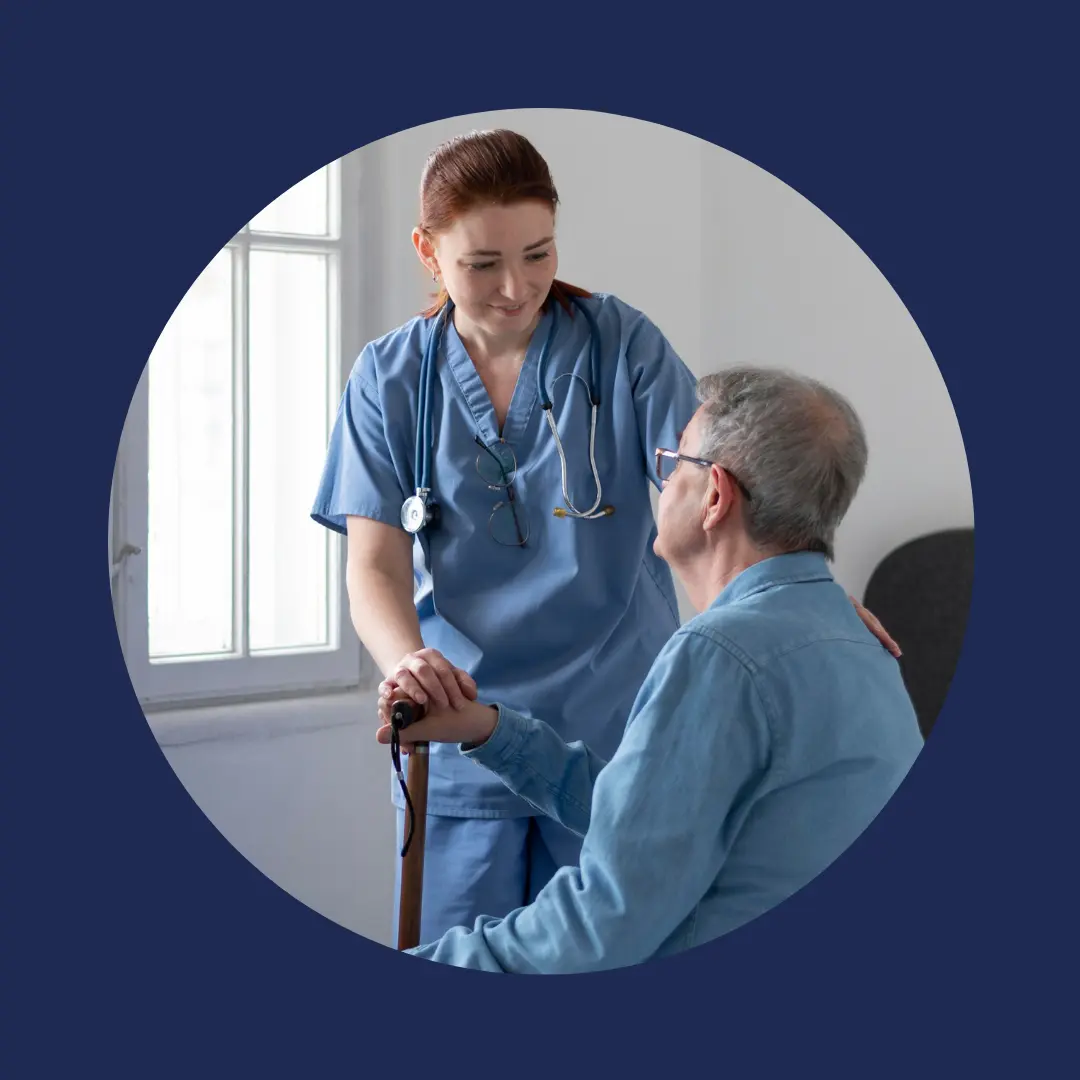
For someone above 65, getting out of the house for a routine blood test can be physically exhausting. Add arthritis, Parkinson’s, post-stroke mobility issues, or simply the frailty of age — and a lab visit becomes a full-day ordeal that can leave them tired and unwell for hours afterward. A home blood test removes that burden entirely.
2. Post-Surgery and Bedridden Patients
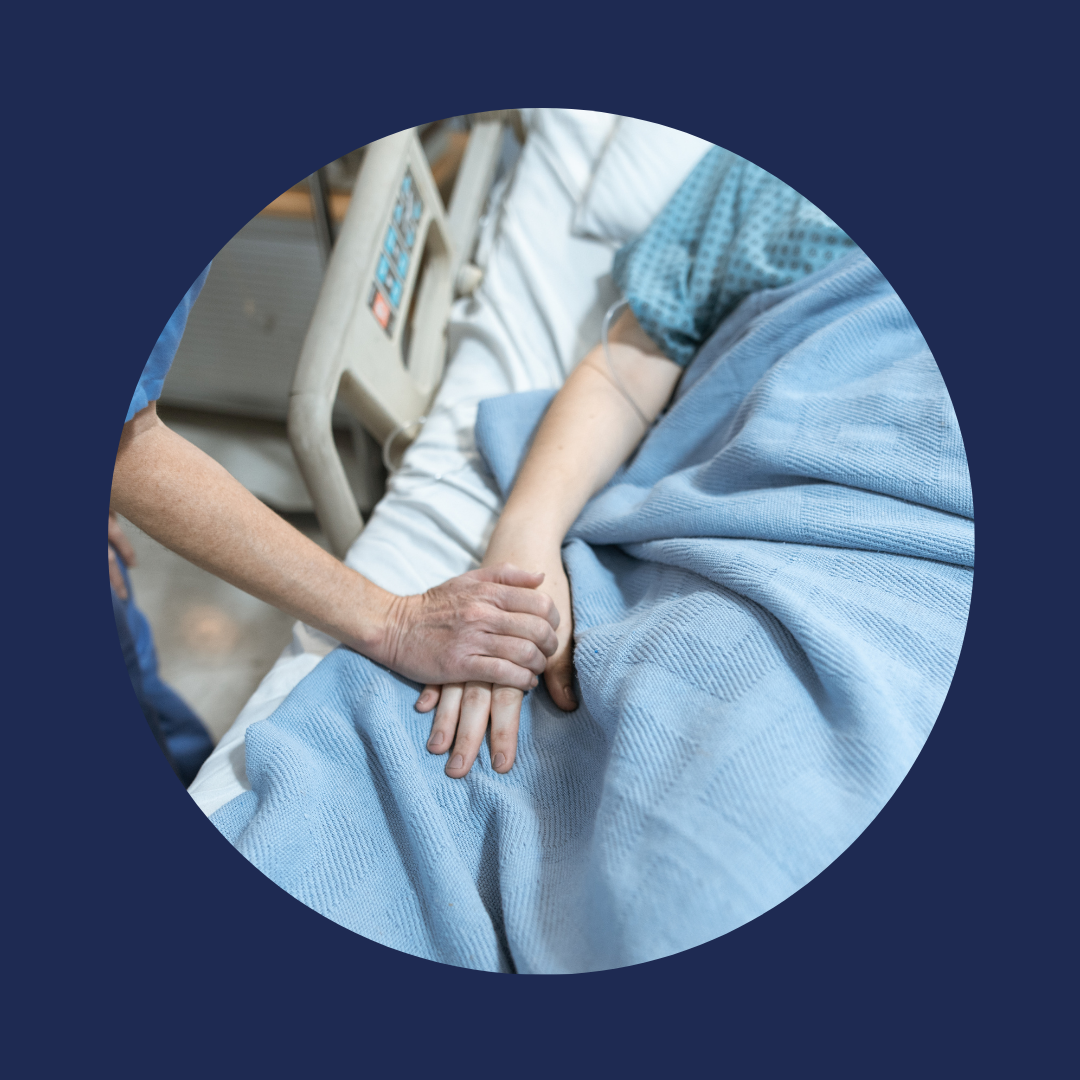
After a major surgery or during recovery from a serious illness, movement is restricted and exposure to infection is a genuine risk. Stepping into a crowded diagnostic lab is the last thing a recovering patient should do. Home collection keeps them safe, comfortable, and infection-free.
3. Diabetics Who Need Frequent Monitoring
For patients managing diabetes, regular HbA1c, fasting glucose, and lipid profile tests are non-negotiable. Doing this monthly or quarterly via lab visits adds up — in effort, in stress, in time. Home blood collection makes compliance easier and stress-free.
4. Cancer Patients Undergoing Chemotherapy
Patients on active chemotherapy have severely compromised immune systems. Visiting a public lab or hospital for routine CBC or liver function tests can put them at real risk. Home blood collection is not a luxury for this group — it is a clinical necessity.
5. Working Adults with No Time
Let’s be honest. You have a full-time job, maybe kids, maybe elderly parents. Finding a half-day to visit a lab, wait in a queue, and collect results is genuinely difficult. A home blood test that can be done before you even start your workday is a practical solution, not an indulgence.
6. Children Who Fear Labs
For young children, the clinical environment of a diagnostic lab can be deeply frightening. A phlebotomist who visits at home, works in a familiar, safe environment, and takes their time can make the experience far less traumatic.
7. Pregnant Women
Pregnancy requires frequent blood work — blood group, iron levels, thyroid, blood sugar, and more. Travelling repeatedly to labs, especially in the third trimester, is uncomfortable and sometimes risky. Home testing offers a kinder alternative.
Why Blood Test at Home Is Better Than a Lab Visit

Let’s have an honest comparison. Because there are real, measurable reasons why home blood collection is often the superior choice — not just the more convenient one.
1. No Exposure to Infections
Labs and hospitals are environments where sick people gather. Waiting rooms are shared spaces. If you or your loved one has a low immune system, a respiratory condition, or is simply elderly, the risk of picking up an infection at a lab is real. Staying home eliminates that risk entirely.
2. No Physical Stress
For patients who are weak, in pain, or mobility-impaired, the physical effort of getting ready, travelling, waiting, and returning home is not trivial. It can cause fatigue, pain flare-ups, elevated blood pressure, and emotional distress. A home visit takes none of that toll.
3. No Waiting
When you book a home appointment, your slot is yours. You are not sitting in a plastic chair watching a number on a digital display. You are at home, in your chair, drinking your tea — and the professional comes to you.
4. Better Compliance, Better Health
One of the most overlooked benefits of home blood testing is that it increases the likelihood that patients actually complete their routine tests. When a monthly test feels like an ordeal, people postpone it. When it’s as easy as answering the doorbell, they don’t. Better compliance means earlier detection of issues, and earlier detection saves lives.
5. Dignity and Comfort
There is something quietly important about maintaining dignity in healthcare. For an elderly person or a seriously ill patient, being cared for in their own home — without the noise, the crowds, the hospital anxiety — makes a genuine difference to their wellbeing and emotional state.
6. Accurate Results, No Compromise
Some worry that home blood tests are less accurate. They are not. The sample is collected with the same sterile equipment, sent to the same accredited labs, and processed with the same standards. The accuracy is identical. What changes is the experience — and it changes for the better.
What Tests Can Be Done at Home?
Most common diagnostic blood tests can be done at home. Here are the most frequently requested ones:
- Complete Blood Count (CBC) — checks for anaemia, infections, and overall blood health
- Blood Sugar (Fasting / PP / HbA1c) — essential for diabetes monitoring
- Lipid Profile — checks cholesterol and heart disease risk
- Thyroid Function Tests (TSH, T3, T4) — monitors thyroid health
- Liver Function Tests (LFT) — assesses liver health
- Kidney Function Tests (KFT / RFT) — monitors kidney function and creatinine levels
- Vitamin B12 and Vitamin D — commonly deficient in Indians, especially the elderly
- Iron Studies (Serum Iron, Ferritin, TIBC) — anaemia investigation
- Uric Acid — for gout monitoring
- ESR and CRP — inflammation markers
- HIV, HBsAg, VDRL — infection screening
- COVID-19 RT-PCR or Antigen Test — when required
If your doctor has prescribed a specific panel or a test not on this list, check with the home healthcare provider — most comprehensive providers can accommodate a wide range of diagnostics.
How to Prepare for a Blood Test at Home
Preparation at home is simple, but a few things matter:
- Fasting: If your test requires fasting (blood sugar, lipid profile, etc.), stop eating and drinking (except water) 8 to 12 hours before the appointment. Your provider will tell you which tests need this.
- Hydration: Stay well hydrated with plain water the night before. Good hydration makes veins easier to locate and blood easier to draw — it actually makes the process faster and more comfortable for you.
- Comfortable Position: Sit or lie in a comfortable position. For elderly patients, lying on their bed with the arm extended is often easiest and most comfortable.
- Keep Your Prescription Ready: Have your doctor’s prescription or test list ready so the phlebotomist can confirm and label samples correctly.
- Relax: This is the biggest one. You are at home. There is no rush. Take a breath. It will be over in minutes.
How VCare@Home Brings This to Your Door
This is where we want to tell you, honestly and clearly, about what we do at VCare@Home.
We launched our blood test at home service specifically for elderly patients, homebound individuals, and families who were tired of putting their loved ones through the stress of lab visits. We understand that behind every prescription is a person — and that person deserves to be cared for with gentleness, not just efficiency.
Here is what you can expect from VCare@Home’s home blood collection service:
- Trained, certified phlebotomists who are experienced with elderly and frail patients — patient, calm, and skilled even with difficult veins
- Fully sterile, sealed collection kits — new needles, fresh tubes, and disposable everything, every single time
- Sample transported with proper cold-chain protocols to maintain sample integrity
- Reports delivered on WhatsApp and email — so your doctor can review them without delay
- Punctual, professional service — we respect your time and your loved one’s comfort
- Care that feels human — because that’s what we were built on
Our tagline is “Care For Those Who Once Cared For Us“ — and our blood test at home service lives that promise. We began as a home nursing and elder care company. We understand the complexity and the emotion of caring for someone who needs you. A blood test is not just a medical procedure. For many families, it is a small but important act of love — and we want to help you make it easier.
Common Questions Families Ask
1. Is the blood test at home as accurate as a lab visit?
Yes, completely. The same sterile collection technique, the same accredited labs, and the same processing standards apply. Accuracy is not affected by where the sample is drawn — only by how it is collected, stored, and transported. Professional home services handle all three correctly.
2. Is it safe for very elderly or bedridden patients?
Absolutely. Home blood collection is actually safer for this group than a lab visit. There is no travel stress, no exposure to infections, and the procedure is done in the familiar, controlled environment of their own home. A good phlebotomist knows how to work with fragile or difficult veins gently and effectively.
3. What if the phlebotomist cannot find a vein?
This can happen with elderly or very dehydrated patients. A professional will always try more than once and use techniques to help locate veins (warmth, proper positioning, tourniquet). If a draw is genuinely not possible, they will advise accordingly and can reschedule.
4. How long before I receive my report?
Most standard tests return reports within 24 to 48 hours. Some specialised tests may take longer. Your provider will tell you the expected turnaround when you book.
5. Is home blood testing more expensive than going to a lab?
There is typically a small home visit charge. However, when you factor in the cost of transport, the time taken off work, and the physical toll on elderly patients — most families find the home service is genuinely worth it, and often not much more expensive in total.
Conclusion

Healthcare is slowly, finally, coming home. And for the people who need it most — the ones who have already given so much of themselves, who have spent decades caring for others — this feels right.
Your mother should not have to feel like a burden because a monthly blood test requires a whole morning’s production. Your father, recovering from surgery, should not have to sit in a waiting room with strangers. Your child should not have to face a needle in a cold, unfamiliar lab when they can face it in their own bedroom, with their favourite blanket nearby.
Blood test at home is not a trend. It is a shift — toward healthcare that meets people where they are, not where the system finds it convenient to place them.
Book your home blood test today. Because the people you love deserve care that comes to them — not the other way around.


